
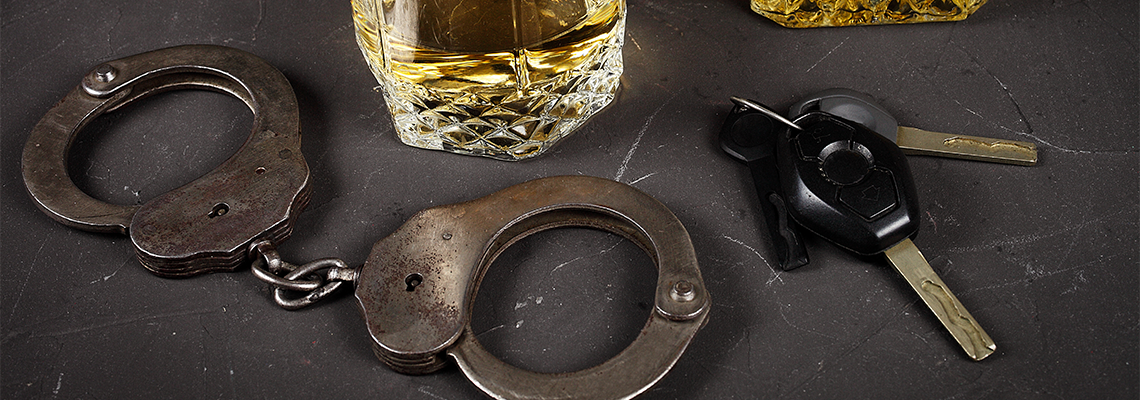
Bar and Liquor Liability: Holding Establishments Accountable for Overserving
Alcohol-related incidents can change lives in an instant. A night that starts with celebration can end in serious injury, loss, or long-term hardship. When someone is harmed because alcohol was served irresponsibly, the emotional weight is often just as heavy as the physical damage. Families are left asking how it happened and whether it could have been prevented.
That’s where accountability matters, particularly in the context of bar and liquor liability. When bars, restaurants, or other establishments ignore warning signs and continue serving intoxicated patrons, the consequences can extend far beyond their doors.
What Bar and Liquor Liability Means for You
Bar and liquor liability refers to the legal responsibility establishments carry when they serve alcohol to someone who later causes harm. In many states, including Oklahoma, laws allow injured parties to hold businesses accountable if they overserved a visibly intoxicated person or served alcohol to someone underage.
This concept exists for a reason. Alcohol impairs judgment, slows reaction time, and increases the likelihood of dangerous behavior. When an establishment continues serving someone who is already impaired, it can contribute directly to accidents such as drunk driving crashes, assaults, or falls.
For you, bar and liquor liability means there could be a path to compensation if you were injured because of someone else’s intoxication. It shifts part of the responsibility onto the business that contributed to the situation, not just the individual who caused harm. These claims often focus on whether the establishment acted responsibly.
When Overserving Becomes Negligence
Not every situation involving alcohol leads to a legal claim. However, overserving crosses into negligence when a reasonable person would have recognized the danger and stopped serving alcohol.
Bars and restaurants are expected to train staff to identify signs of intoxication. Slurred speech, unsteady movement, aggressive behavior, and delayed reactions are all red flags. When these signs are present, and service continues, the risk increases significantly.
Negligence can also arise when alcohol is served to minors. Even one drink served to someone underage can lead to serious legal consequences if it contributes to an injury. To better understand how overserving turns into a legal issue, consider these common factors:
Visible intoxication: Staff continues serving someone who clearly shows signs of impairment.
Failure to follow policies: The establishment ignores its own rules or state guidelines for alcohol service.
Serving minors: Alcohol is provided without proper age verification.
Lack of training: Employees are not properly prepared to recognize or respond to intoxicated patrons.
Ignoring escalation: A situation becomes disruptive or dangerous, yet no action is taken to stop service or intervene.
Each of these situations points to preventable behavior. When businesses fail to act responsibly, they can be held liable under bar and liquor liability laws.
Injuries and Damages Linked to Overserving
The effects of overserving often extend far beyond the individual who consumed the alcohol. Innocent people frequently bear the consequences. Drunk driving accidents are one of the most common outcomes. These crashes can lead to severe injuries, long-term disability, or loss of life.
Other incidents tied to overserving include physical altercations, property damage, and pedestrian injuries. In some cases, intoxicated individuals may harm themselves, creating additional layers of legal and emotional strain for families.
Bar and liquor liability claims aim to address these damages. Compensation can cover a range of losses, including:
Medical expenses: Emergency care, surgeries, rehabilitation, and ongoing treatment.
Lost income: Wages were missed during recovery, and the earning ability was reduced.
Pain and suffering: Physical discomfort and emotional distress are tied to the incident.
Property damage: Repair or replacement of damaged vehicles or belongings.
Wrongful death losses: Funeral costs and financial support for surviving family members.
These claims are about more than financial recovery. They also push for accountability, encouraging safer practices within the hospitality industry.
How a Claim Moves Forward
Filing a bar and liquor liability claim involves gathering evidence and building a clear case around what happened. This process often begins with a close review of the incident. We look at where the alcohol was served, how much was consumed, and whether signs of intoxication were ignored.
Timing matters. Evidence can fade or disappear if too much time passes. That’s why it’s important to act promptly if you believe over-serving contributed to your injury. The process typically includes:
Case evaluation: Reviewing the details to determine if bar and liquor liability applies.
Evidence collection: Gathering documents, records, and witness accounts.
Negotiation: Working with insurance companies to pursue fair compensation.
Litigation, if needed: Taking the case to court when a fair agreement isn’t reached.
Throughout this process, having legal guidance can make a difference. These cases often involve pushback from businesses and insurers, making it important to present a strong and well-supported claim.
What to Do After a Bar And Liquor Liability Incident
Recovering after an alcohol-related injury isn’t just about healing physically. It involves rebuilding stability and finding a sense of closure. When overserving plays a role, taking action can help you regain control of the situation.
At The Handley Law Center, we work with individuals and families affected by bar and liquor liability cases. From Edmond and El Reno, Oklahoma, to clients across Canadian County, Oklahoma County, Custer County, Blaine County, Kingfisher County, and Caddo County, we’re here to help you explore your legal options and pursue fair compensation. Reach out to us today to start the conversation and take the next step forward.